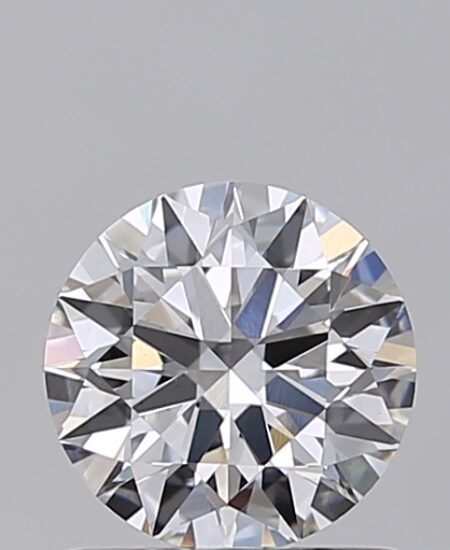
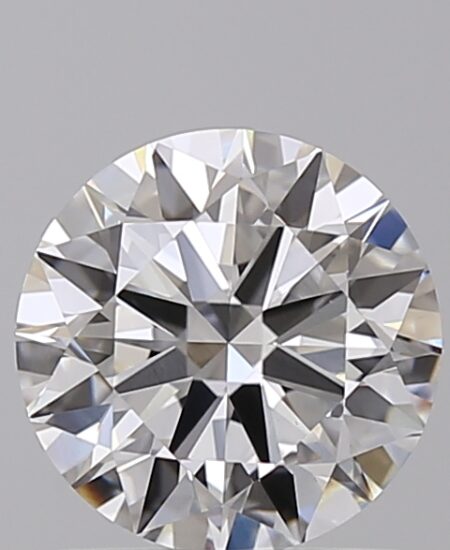
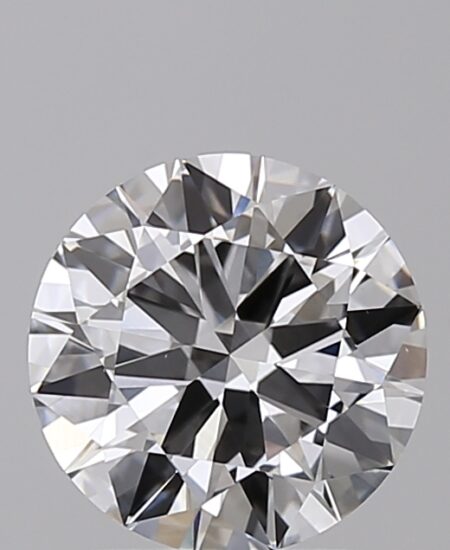
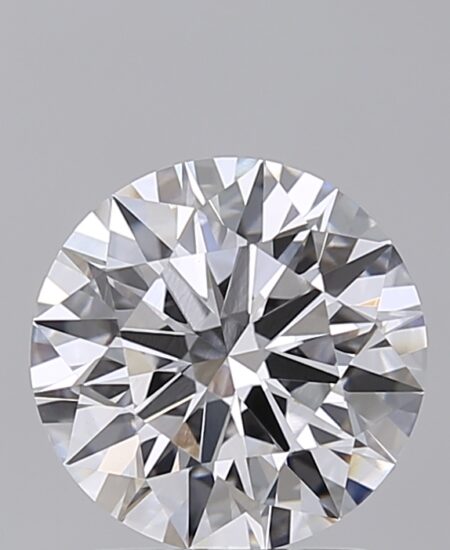
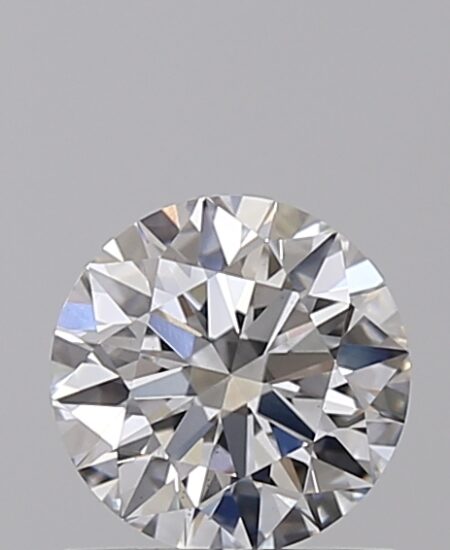
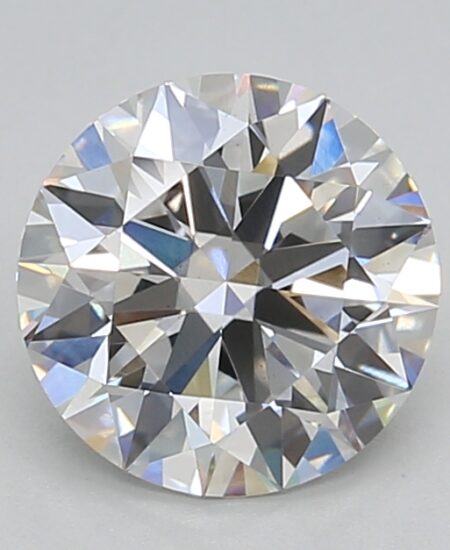
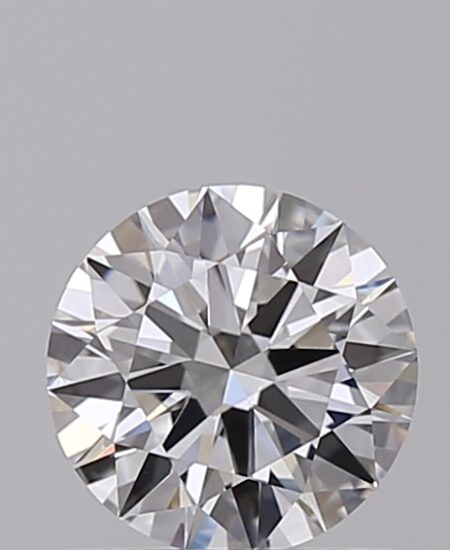
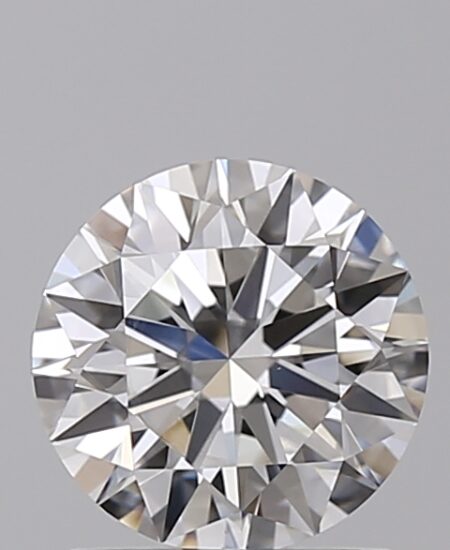
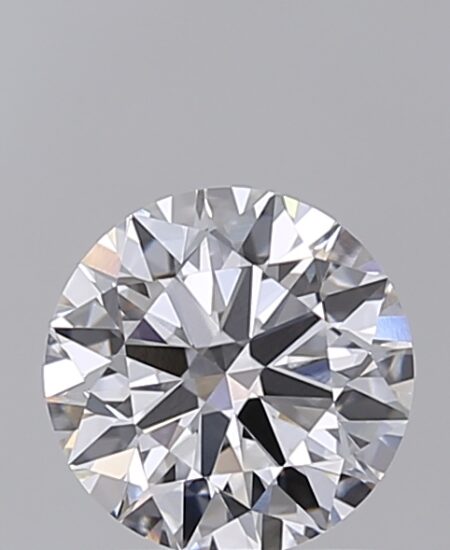
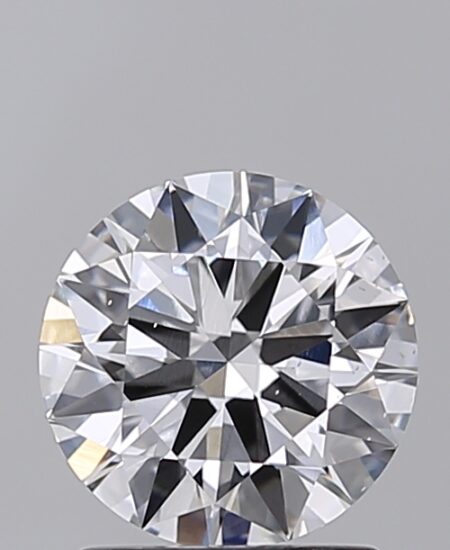
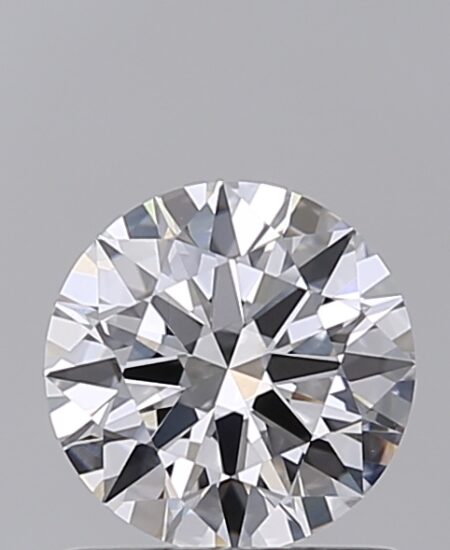
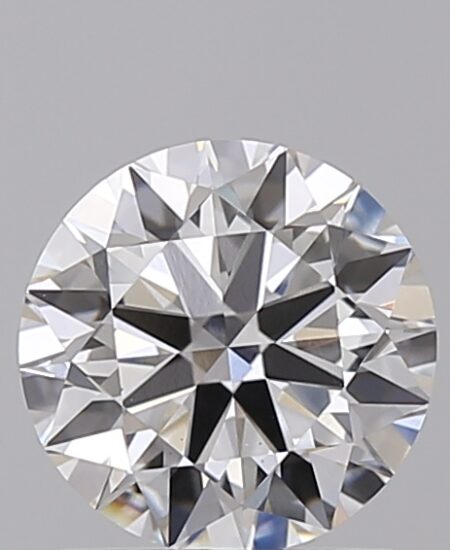
No products in the cart.
Showing 1–20 of 7977 results

This is a description


404,60 € (Inc. VAT)
379,61 € (Inc. VAT)
611,66 € (Inc. VAT)
875,84 € (Inc. VAT)
923,44 € (Inc. VAT)
389,13 € (Inc. VAT)
No products in the cart.
A diamond’s depth is the total height of the stone from the table down to the culet. Depth plays a crucial role in determining how well a diamond reflects and refracts light.
If a diamond is cut too shallow, light escapes through the bottom, causing a lack of brilliance. If it’s cut too deep, light leaks out through the sides, making the diamond appear darker and smaller than it actually is.
The table is the large, flat facet at the very top of a diamond. As the primary entry point for light, the table plays a crucial role in how the diamond reflects brilliance, fire, and scintillation. Its size is measured as a percentage of the diamond’s total width.
A balanced table allows light to pass through and disperse beautifully. However, if the table is too large, the diamond may lose fire because light is not redirected correctly. If it’s too small, the stone may appear darker or overly deep. Achieving the ideal balance is essential for optimal light performance.
Always consider the table together with the overall cut grade. A well-cut diamond with a properly proportioned table will consistently deliver superior brilliance.
The Length-to-Width Ratio (L/W Ratio) describes the proportion of a diamond’s length compared to its width. This measurement determines how elongated, balanced, or broad a stone appears when viewed from above.
Different shapes have ideal or commonly preferred ratios. For example, ovals, pears, marquise, and emerald cuts can look more elongated at higher ratios, while lower ratios create a fuller, more rounded appearance. Even small changes — such as 1.35 vs. 1.40 — can noticeably affect the stone’s visual character.
Choosing the right L/W Ratio comes down to personal style and the design of your jewellery piece. Some prefer a sleek, elongated look, while others choose more classic, balanced proportions.
Fluorescence describes how a diamond reacts to ultraviolet (UV) light, either from natural sunlight or a UV source. Around one-third of all diamonds exhibit fluorescence, most commonly a blue glow, though rarer colours such as yellow, white, or green can also occur.
In most cases, fluorescence has little to no impact on the diamond’s beauty or brilliance. In fact, blue fluorescence can make lower colour grades (I, J, K, L) appear slightly whiter. Only in rare cases can strong or very strong fluorescence cause a diamond to look milky or hazy, depending on its structure.
Because of misconceptions, fluorescent diamonds are often priced more competitively, offering excellent value when the effect is not visually noticeable.
Fluorescence is a personal preference — it can enhance warmth in some stones, and it’s almost never an issue when graded Faint or Medium. For full transparency, all fluorescence levels are clearly listed so you can select the look you prefer.
Symmetry describes how precisely a diamond’s facets are aligned, shaped, and positioned in relation to one another. A symmetrical diamond has evenly placed facets, a balanced outline, and a centred table — all of which help light move through the stone cleanly and consistently.
When symmetry is poor, facets may be misaligned or unevenly shaped, the table or culet may be off-centre, and angles may not match. These small structural inconsistencies create visual “noise,” reducing brilliance and making the diamond appear less crisp.
Diamonds with Excellent or Very Good symmetry offer the best optical performance, maximising brilliance, fire, and scintillation.
Lab-grown diamonds often achieve top grades in Cut, Polish, and Symmetry, making them an excellent choice for designs where precision matters — such as solitaires, pavé settings, and perfectly matched pairs.
Polish refers to the smoothness and quality of a diamond’s surface after cutting. Each facet must be polished individually, and this process can leave microscopic lines, scratches, or marks. When the surface is highly polished, light reflects cleanly and evenly across the facets, enhancing the diamond’s brilliance and visual clarity.
Minor surface features — such as polish lines, tiny abrasions, burn marks from heat, or a rough girdle — can reduce the polish grade and subtly affect how the stone handles light.
To ensure the best overall appearance, we recommend selecting diamonds with Excellent or Very Good polish for a smooth, refined finish.
High-quality polish doesn’t change a diamond’s structure, but it does improve its sparkle by allowing light to travel effortlessly across perfectly finished facets.
A diamond certificate (or grading report) is an independent evaluation of a diamond’s quality. It confirms the stone’s carat weight, colour, clarity, cut, and other characteristics using internationally recognised grading standards. Choosing a certified diamond ensures transparency, accuracy, and trust — especially in a market where some sellers may self-certify stones.
At Azena, we work only with respected gemological laboratories and international standards, each known for their specific strengths:
GIA – Gemological Institute of America
The most authoritative and trusted grading laboratory worldwide. GIA sets the global benchmark for strict and consistent grading. A GIA certificate guarantees highly reliable and conservative assessment of the 4Cs.
IGI – International Gemological Institute
One of the largest global labs and the leading authority for lab-grown diamonds. IGI was among the first to establish dedicated grading standards for lab-grown stones, making it extremely popular for modern jewellery and commercial collections.
HRD – Hoge Raad voor Diamant (Diamond High Council)
A respected European laboratory based in Antwerp. HRD provides detailed grading reports using European methodologies. While well-regarded, its grading can sometimes appear slightly more flexible compared to GIA’s stricter standards.
SCS – SCS Global Services
This certification follows the SCS-007 Jewelry Sustainability Standard, focusing on ethical sourcing, traceability, climate neutrality, and responsible production. SCS certification highlights sustainability rather than traditional 4C grading alone.
GCAL – Gem Certification & Assurance Lab
Known for scientific precision and guaranteed grading accuracy. GCAL offers advanced analysis tools, including the 8X cut grade, providing deep insight into light performance and symmetry. Ideal for high-end cut-driven stones.
Azena Grading
Our in-house certification tailored to our inventory. Azena Grading provides consistent, transparent quality assessment aligned with industry best practices, ensuring reliable standards across our full selection.
Always choose a diamond with an independent certificate. It ensures you know exactly what you’re buying — and protects the long-term value of your stone.
Price is influenced by a combination of carat, cut, colour, and clarity — the famous “4 Cs.” However, small adjustments in each category can yield significant savings without noticeably affecting beauty.
For example:
By balancing the 4 Cs according to your priorities, you can choose a diamond that looks stunning while maximizing value.
Carat measures a diamond’s weight, not its physical size — 1 carat equals 0.2 grams. However, the apparent size can vary depending on the cut and proportions of the stone. Even a small increase, such as 0.99 ct to 1.00 ct, can significantly impact value, which is why diamonds are categorized by weight ranges rather than decimals alone.

At Azena, we offer diamonds from 0.30 ct up to 10 ct and beyond, ensuring precision for both fine jewellery and professional inventory.
Lab-grown diamonds provide consistent carat weight and precise sizing, making them ideal for designs that require uniformity, such as eternity bands, tennis bracelets, or matched sets. Their reliable measurements simplify sourcing and allow for perfect alignment across multiple stones.
Focus on the carat range that fits your design vision — but remember, cut and proportions often affect perceived size more than weight alone.
Cut refers not to a diamond’s shape, but to the precision of its angles, proportions, symmetry, and polish — all of which determine how effectively the stone reflects light. Even a perfectly coloured, flawless diamond will appear dull if the cut quality is poor. A well-cut diamond returns light through the crown, creating the brilliance, fire, and sparkle associated with high-quality jewellery.
Fair – Reflects light imperfectly, but still offers noticeable sparkle. Some areas may appear darker, yet the diamond retains acceptable brightness at an accessible price point.
Good – A well-balanced cut with pleasing light return. Minor dark zones may be visible under certain angles, but overall sparkle remains attractive and lively.
Very Good – Near-excellent precision with strong brilliance. Offers almost the same visual performance as an Excellent cut, while typically being more budget-friendly.
Excellent / Ideal – Exceptional craftsmanship and optimal light performance. Perfectly calibrated proportions deliver maximum brilliance, fire, and scintillation. These cuts are designed to stand out in any setting.
When in doubt, prioritise cut — it has the greatest impact on how beautiful and lively your diamond appears, regardless of colour or clarity.
Clarity indicates the presence—or absence—of internal inclusions or external blemishes in a diamond. These characteristics are unique to each stone and become visible under 10× magnification, but in many cases remain invisible to the naked eye.
For most buyers, we recommend choosing an “eye-clean” diamond — typically VS2 and higher — where inclusions are not noticeable without magnification and do not affect the visual beauty of the stone.

High clarity grades such as IF, VVS1, VVS2 are exceptionally rare in mined diamonds and can significantly increase the price. Lab-grown diamonds, produced in controlled conditions, are far more likely to achieve these higher clarity levels, offering excellent value for those who want a clean, high-performance stone without the premium markup.
Fewer inclusions allow light to pass through the diamond with minimal obstruction, contributing to improved brilliance and overall visual purity—especially important for solitaires, high-precision pavé, or pieces where the stone is the central focus.
For the best balance of beauty and value, look for VS+ clarity. These grades are reliably eye-clean and ideal whether you prefer classic white diamonds, Fancy colours, or calibrated stones for modern jewellery designs.
Colour grading indicates how much tint — typically yellow or brown — is visible in a diamond. The traditional colour scale ranges from D to Z, with D representing the highest (whitest) grade. Diamonds in the D–F range appear exceptionally clear, while G–H offer excellent value with minimal visible colour. As you move closer to Z, stones display increasingly noticeable warmth.
When choosing a setting, keep in mind that yellow or rose gold can naturally soften or hide subtle colour, allowing you to confidently select grades such as I–J without compromising visual beauty.
In addition to the classic D–Z scale, the collection also includes Fancy colour diamonds — stones with naturally intense hues such as yellow, pink, blue, green, brown, and rare exotic shades. These diamonds are graded differently, based on the intensity and purity of their colour, not on the D–Z scale. Fancy diamonds are prized for their expressive character and unique appearance, making them ideal for bold or artistic jewellery designs.
For classic white diamonds, choose the colour grade based on your desired balance between brightness and value. For Fancy colours, prioritise the hue and intensity that resonate most with your personal style.
Explore a wide selection of diamond shapes — from timeless classics to truly unique and artistic cuts.
If you’re looking for something distinctive, explore our rare and unconventional shapes: Baguette, Tapered Baguette, Hexagonal, Trilliant, Trapezoid, Half Moon, Shield, Rose Cut, and even creative fantasy cuts like “Duck”, “Star”, “Butterfly”, and more. These shapes offer artistic character and a handcrafted aesthetic.
Choose a shape that complements your jewellery design and reflects your personal style — whether classic, vintage, modern, or fully bespoke.
Even though laboratory-grown diamonds can be more easily traced, this does not mean you should purchase them without any official certification. Your certificate will feature important information on colour, cut, clarity and measurement. This ensures the quality of your laboratory-grown diamond is approved by an independent body, rather than by individual diamond retailers.
We have listed the organisations from which our laboratory-grown diamonds are certified. The IGI (International Gemological Institute) has been operating since the 1970s and delivers individual certification for many lab-grown diamonds. GCAL (Gem Certification and Assurance Lab), also offers lab-grown certification, and gives very accurate measurements of colour and clarity. Finally, we offer “DF” (Diamond Foundry) diamonds, which are produced by 100% hydro-powered machines, significantly reducing carbon emissions.